
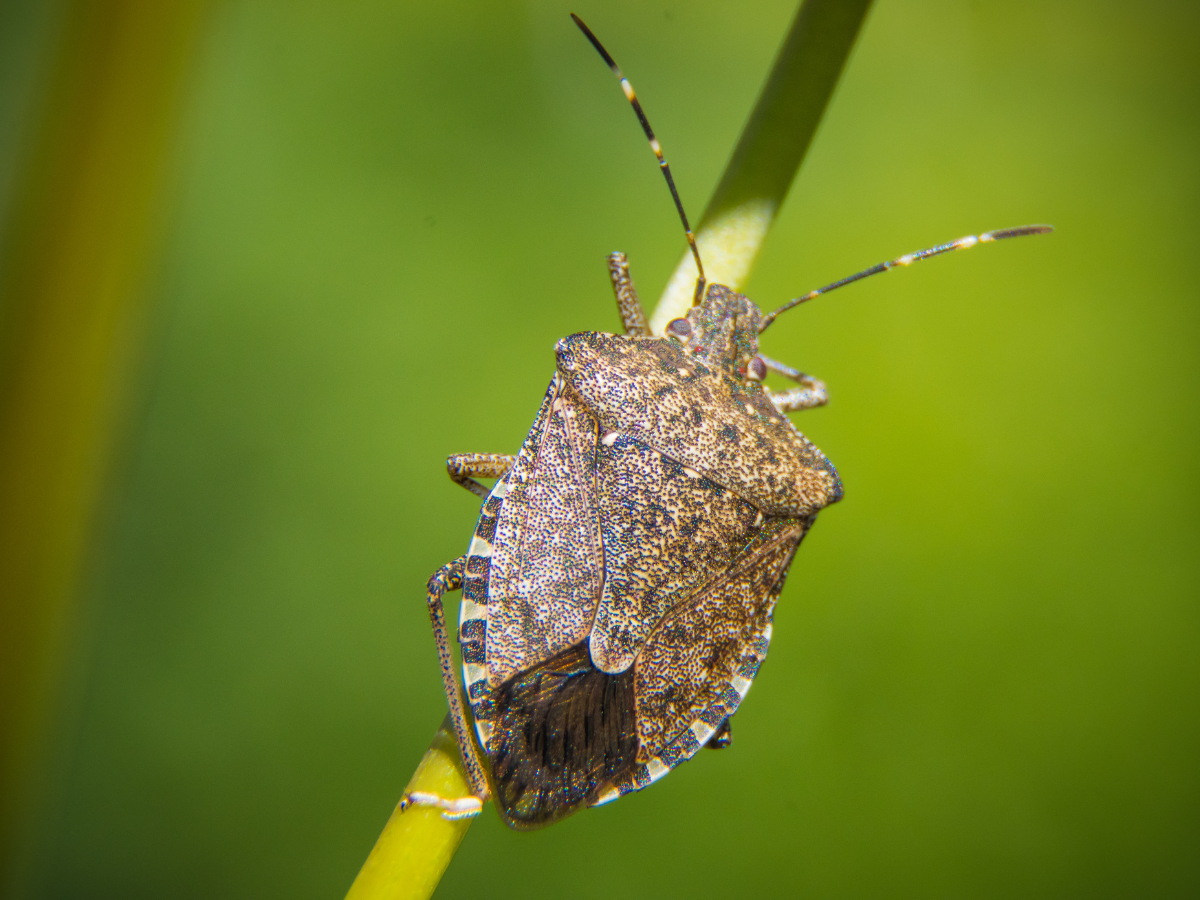
Stink bugs may sound like something out of a nightmare, but they’re very real – and very smelly! These pests, most commonly brown marmorated stink bugs (BMSBs), are an invasive species that have spread across the United States since they first hitched a ride from Asia in the late 1990s. If you’ve noticed a sudden influx of these critters sneaking into your home as the weather cools down, you’re not alone. So, what’s the deal with stink bugs, and what can you do about them?
What Exactly Are Stink Bugs?
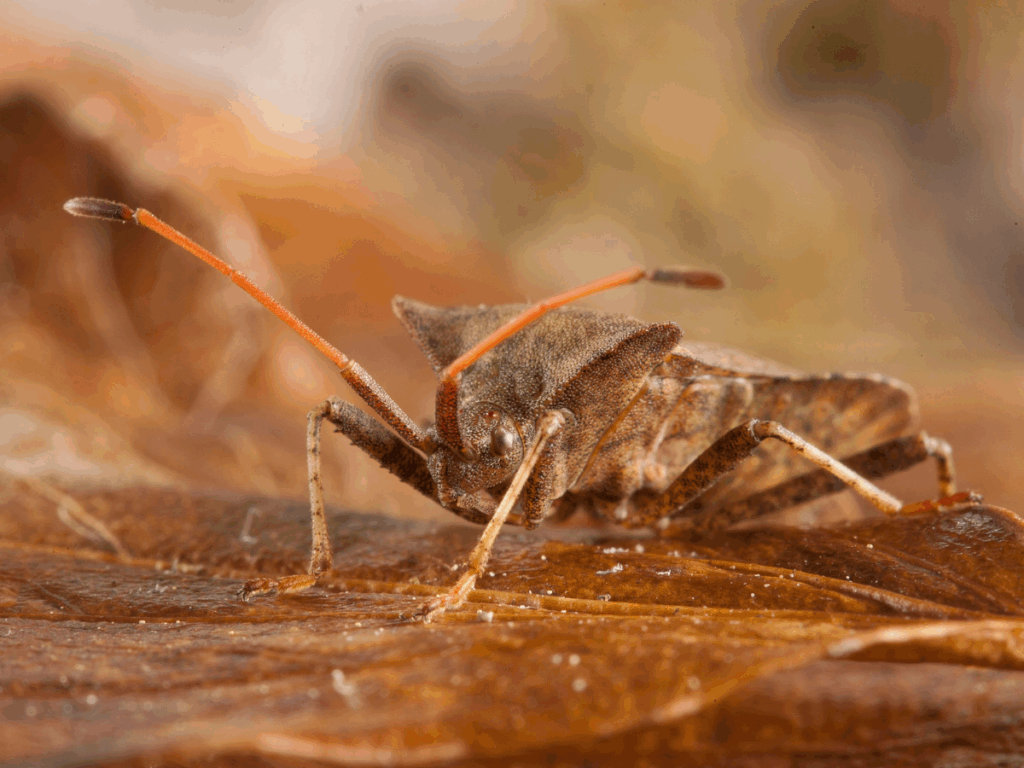
Adult stink bugs have a unique, triangular shield-like body that’s typically mottled in grayish-brown hues. At about ¾ of an inch long, they’re not the largest insect around, but they sure make an impact — especially when disturbed. These bugs release a pungent odor that smells like cilantro, rotting vegetables, or coriander. But don’t worry, that stench isn’t toxic — though it is often considered highly unpleasant!
Fun fact: The same chemical compounds that make stink bugs stink are also sometimes used to flavor or add aroma to food. Who knew?
Where Do They Come From?
Originally native to Asia, stink bugs made their way to the U.S. by accident. With no natural predators in their new environment, they multiplied rapidly, causing significant damage to agriculture. That’s right — stink bugs aren’t just a smelly inconvenience; they’re a real threat to crops. They feed on everything from corn and soybeans to tree fruits and berries, leaving behind damaged, shriveled plants. Farmers, beware!
Why Are They in My House?
As the weather starts to cool down in late summer and early fall, stink bugs go on the hunt for warm places to spend the winter. Unfortunately for us, that often means our homes. They’ll sneak in through cracks and crevices, aiming to settle down in cozy spots. Once they find a cozy place to their liking, they enter a state called diapause, which is sort of like hibernation. They won’t be particularly active, but their presence can still be unsettling – not to mention possibly very smelly.
Are Stink Bugs Dangerous?
The good news is that stink bugs don’t bite, sting, or cause harm to humans or pets. They also don’t damage property. However, their numbers can quickly become overwhelming if they find a way into your home. The stink they produce contains pheromones that attract other stink bugs. During the fall season, stink bugs secrete this pheromone when they find an ideal space to make their winter home. The more stink bugs gather together, the more stink they can make. The more stink they make, the more stink bugs show up. The more stink bugs that show up, the bigger the problem they become.
How Can I Keep Stink Bugs Out?
Prevention is key!
To keep these pesky critters at bay, here are a few tips:
- Seal all cracks and gaps around windows, doors, pipes, chimneys, and foundations.
- Replace any damaged screens on doors or windows.
- Consider switching outdoor lighting to yellow bulbs, as stink bugs are less attracted to them.
- A professional pest control company like GATO GUARD can also treat the perimeter of your home to prevent stink bugs from finding their way inside.
What If They’ve Already Moved In?
If you’ve already got stink bugs inside, don’t panic. Use a vacuum to remove them, but be sure to empty the vacuum afterward to avoid the smell lingering. For larger infestations or ongoing issues, reach out to a licensed pest control service like the experts at GATO GUARD to assess the situation and help you reclaim your space.
In Summary… Stink bugs might be more of a nuisance than a danger, but no one wants to deal with their foul odor or the risk of an infestation. The best way to prevent a stink bug takeover is to seal up your home and stay vigilant. And when things get out of hand, GATO GUARD is here to help keep your home (and nose) protected from these stinky invaders.
Smell a stink bug problem? Give GATO GUARD a call today!