
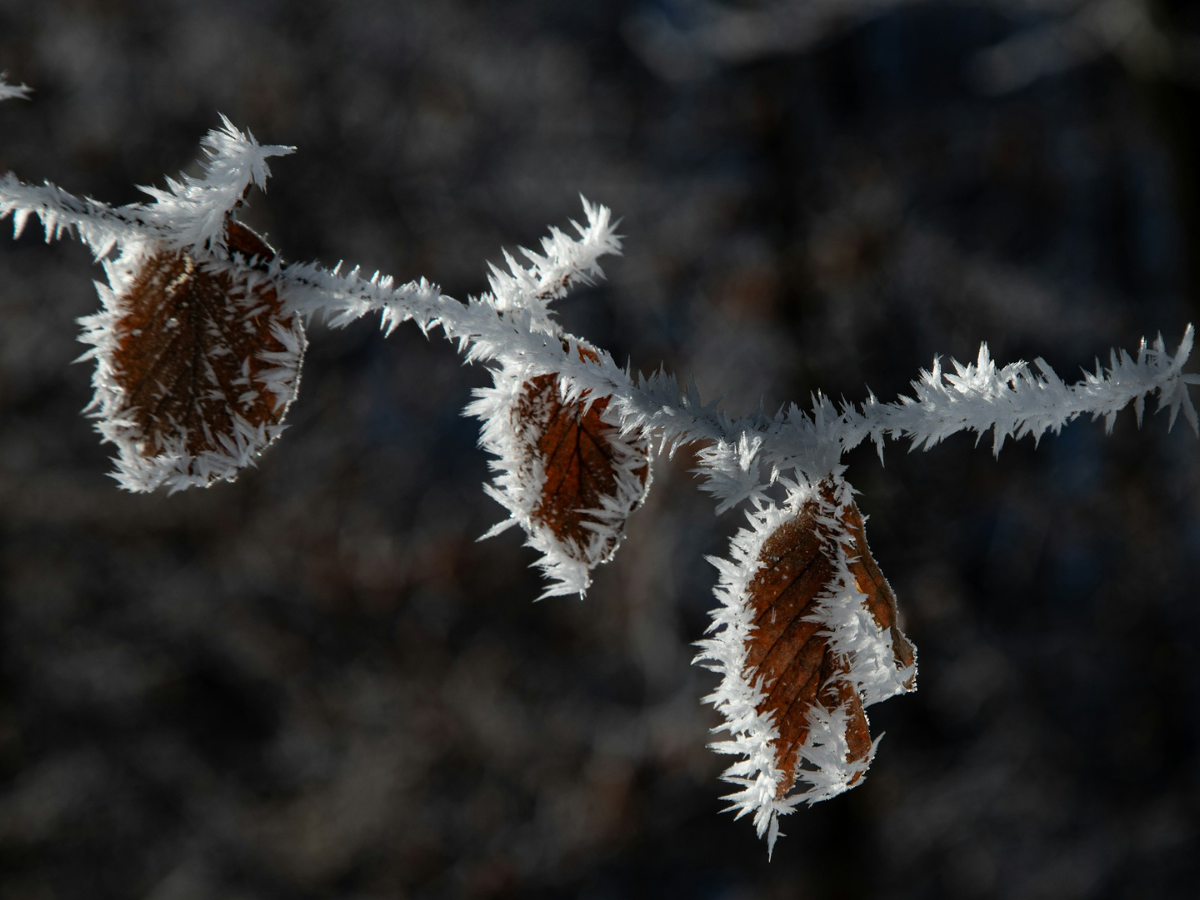
With Winter on the way, it might feel like the creepy crawlies of Summer suddenly start to disappear, but don’t be fooled! Many bugs have some pretty impressive tricks to survive the colder months, and are just hiding out until warmer weather returns. Here’s a peek into the winter survival secrets of some of your least favorite pests.

Migration: Catching the Next Flight South
Some bugs just can’t handle the chill, so they opt for a little vacation. Monarch butterflies, for example, are the ultimate snowbirds, embarking on an incredible journey every year to escape the cold. These majestic butterflies travel thousands of miles from the United States and Canada to the forests of Mexico! This annual migration isn’t just a survival strategy – it’s a journey embedded in their DNA.
Diapause: Hitting the Pause Button on Life
Bugs can’t exactly cozy up with a hot chocolate when temperatures drop, so many enter a state called diapause. Think of it like hitting “pause” on life. Diapause is triggered by environmental cues – shorter days, colder nights, and less food. Once in this state, insects slow their metabolism to preserve energy and resources. Their growth and development come to a complete halt, allowing them to “sleep” through winter. Many species seek out safe hiding spots before entering diapause, like the crevices of tree bark or the quiet insulation of leaf piles.
Cryoprotectants: The Antifreeze Superpower
Ever wonder how some bugs survive the frigid temperatures without turning into bug-cicles? Insects in colder climates have developed an incredible adaptation: they produce cryoprotectants like glycerol or sugar, which act as natural antifreeze. These compounds lower the freezing point of their body fluids, preventing ice crystals from forming. It’s a life-or-death trick that keeps them from turning into little frozen statues!
Overwintering: Slowing Things Down to Survive
While many bugs take a “pause” approach, some simply slow down, entering a state called overwintering. For example, stink bugs often invade homes in search of warmth and settle into a low-energy state. They won’t eat much; instead, they rely on energy reserves from the fall. Occasionally, a warm winter day might stir them, and you’ll find them wandering around the house, looking for an exit. Other bugs, like lady beetles and some beetle larvae, overwinter in nooks and crannies, waiting for spring.
Sheltering: Finding the Perfect Winter Hideout
Insects aren’t all that different from us – they want a warm, safe place to hang out during the cold months. Many species burrow into cozy spots, like piles of mulch, leaf litter, logs, and hollow trees. For bugs like subterranean termites, even that isn’t warm enough; they’ll dig below the frost line to keep from freezing. Unfortunately, some pests prefer indoor “shelters,” like your attic or basement. Cockroaches, fleas, and stink bugs are common indoor winter guests, so keep an eye out for these unwanted roommates!
Winter Survival 101: A Few Bug-Specific Tricks
Ants: As fall approaches, ants bulk up by eating as much as they can to prepare for winter. When temperatures drop, they become sluggish and huddle together in warm spaces, like under rocks or deep in the soil. Some might even sneak into the warmth of your home, waiting out winter in hibernation.
Mosquitoes: Male mosquitoes have a short life, dying off before winter hits. But the female mosquitoes are tougher – they hibernate in logs or enter a state of suspended development. A few species survive as larvae, waiting for spring to complete their life cycle. So while winter gives us a break from these bloodsuckers, they’re not entirely gone.
Flies: Most common flies spend winter as larvae or pupae, hidden under manure piles or in decaying organic matter. They lie low until the warmth returns, which is why fly populations can explode so quickly in spring!
Wasps: After the first frost, most wasps die off, leaving only the queens. These surviving queens find a sheltered spot and hibernate through winter. Once spring arrives, they emerge, ready to start building a new colony.
Stink Bugs: Stink bugs love to invade homes in the fall, where they find a nice warm spot and go dormant. They’ll live off energy reserves, but if they get too warm, they might mistakenly think spring has arrived and start pestering you and your family, looking for a way outside.
As winter creeps in, bugs are anything but inactive. Whether they’re huddling inside your home, journeying south, or entering a near-frozen state, these tiny creatures know how to adapt. And while some will inevitably try to share your warm home, most are content to wait it out in nature. Just remember – come spring, they’ll be back in full force!
Stay tuned for more fascinating bug facts, and keep your home protected with Gato Guard!