

Florida is famous for its sunny weather and beautiful landscapes, but beneath its natural beauty lies some surprisingly dangerous wildlife! Florida is home to some of the most deadly creatures in the United States. While many of these animals are easily avoidable with proper precautions, it’s essential to be aware of their presence and the risks they pose. Let’s explore some of Florida’s most dangerous backyard inhabitants — and how you can STAY SAFE.
Reptiles
Cottonmouth Snake
The cottonmouth (Agkistrodon piscivorus), a semi-aquatic pit viper, can be found in Florida’s lakes, swamps, and even roadside ditches. These snakes are identifiable by their dark line running through the eye and their varying shades of brown, green, and black. Cottonmouths are more active during the day in cooler months and at night during the summer, increasing the likelihood of human encounters. Their venom is potent and can paralyze victims, which is particularly dangerous if the bite occurs underwater, as victims may drown. If bitten, seek medical care immediately — you have about an hour to act.
Pygmy Rattlesnake
Pygmy rattlesnakes (Sistrurus miliarius) are one of the smallest, but still venomous, members of the rattlesnake family. Found in forests and wetlands, these snakes have stout bodies with circular markings and a white underbelly. While their venom isn’t as potent as other rattlesnakes, their bite can still be very dangerous, particularly for children and pets. Always be cautious when exploring areas where they might reside.
Eastern Diamondback Rattlesnake
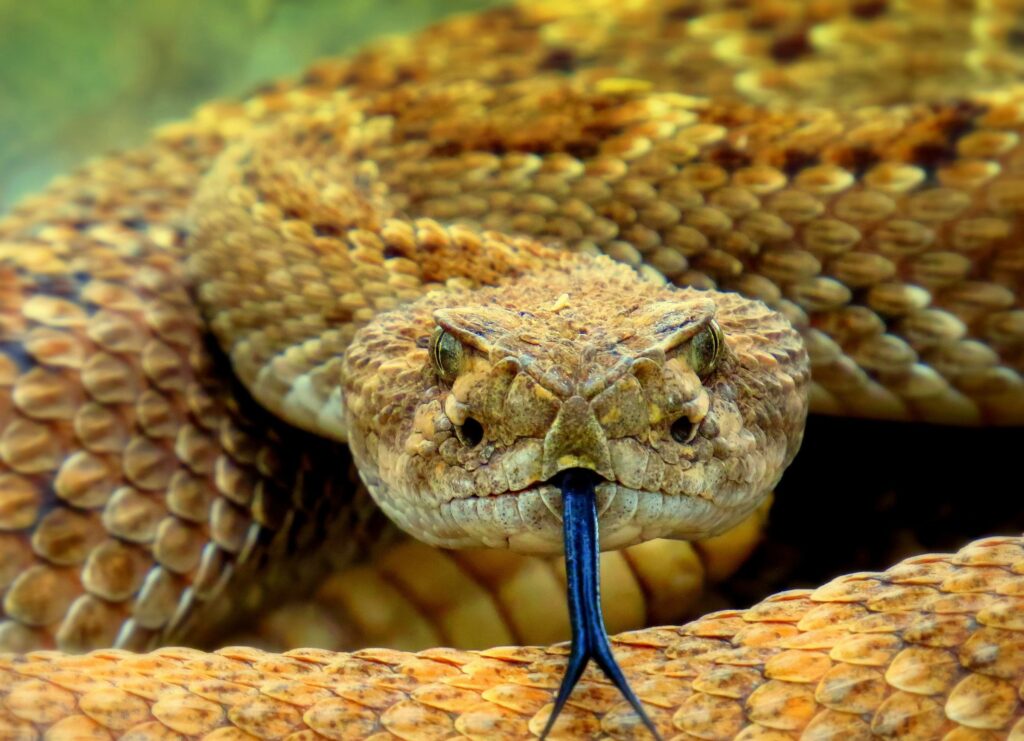
The Eastern diamondback rattlesnake (Crotalus adamanteus) is not only the heaviest venomous snake in North America, but also one of the most lethal. With black, brown, and cream diamond patterns along its back, this snake can grow up to 8 feet long and weigh over 10 pounds. These powerful reptiles inhabit pine savannas and flatwoods, but are also skilled swimmers. Their bite delivers a hemotoxin that destroys red blood cells, so heed the warning of their rattling tail and give them plenty of space.
American Alligator
One of Florida’s most infamous residents, the American alligator (Alligator mississippiensis), lurks in swamps and lakes, often blending right into the murky waters. With powerful jaws capable of easily breaking bones, these apex predators are territorial and can grow up to 15 feet long. While attacks on humans are rare, recent incidents remind us of their potential danger. Stay vigilant when near bodies of water — especially during warmer months.
Insects
Red Fire Ants
Originally from Brazil, red fire ants are aggressive and have been known to take down animals much larger than themselves through swarm attacks. Each sting/bite injects venom that causes painful, itchy blisters and can trigger severe allergic reactions. For those with allergies, a fire ant sting can lead to life-threatening situations. While fire ant fatalities are rare, it’s best to avoid their nests and be cautious where you step.
Mosquitoes
Mosquitoes might seem like just an itchy nuisance, but these tiny insects are the deadliest animals on Earth. Florida’s humid marshes are a breeding ground for mosquitoes, which can transmit diseases like West Nile virus, Dengue fever, and encephalitis. Protect yourself by wearing long sleeves, using insect repellents, and eliminating standing water around your home to reduce their breeding areas.
Spiders
Brown Recluse Spider
The brown recluse spider (Loxosceles reclusa) might be small, but its necrotic venom makes it one of the deadliest arachnids in Florida. These spiders are reclusive (hence the name!) and often hide in clothing or debris piles. A bite can cause fever, nausea, and even tissue necrosis. While only about half of bites result in severe reactions, it’s essential to seek medical attention immediately if bitten.
Black Widow Spider
Notoriously known for their shiny black bodies and red hourglass marking, black widow spiders (Latrodectus mactans) build nests in dark, undisturbed areas. Their venom can cause muscle cramps, nausea, and tremors, though fatalities are rare thanks to modern medical care. If bitten, seek emergency treatment promptly to manage symptoms effectively.
Mammals
Florida Panther
The elusive Florida panther (Puma concolor coryi) is an endangered predator that primarily roams the southern regions of the state. These powerful cats can weigh up to 250 pounds and are most active at night. Panther attacks are rare, but can occur if humans encroach on their territory. If camping or hiking, remain vigilant and avoid venturing to far into their habitat, especially alone.
Florida Black Bear
Florida’s largest mammal, the black bear (Ursus americanus), is shy but powerful. Weighing up to 600 pounds, these omnivores occasionally wander into human settlements in search of food. While they usually avoid humans, black bears will defend themselves or their offspring if threatened. Give them plenty of space, and secure trash cans and bird feeders to minimize encounters.
How To Stay Safe
The key to avoiding dangerous encounters with Florida’s wildlife is awareness and caution. Here are some tips to protect yourself and your loved ones:
Observe Your Surroundings: Pay attention to your environment, especially when near water, in wooded areas, or on hiking trails.
Avoid Attracting Wildlife: Secure garbage, remove standing water, and keep your property tidy to discourage visits from pests.
Be Prepared: Wear protective clothing, carry a flashlight at night, and use insect repellents to reduce your risk.
Know When to Call for Help: If you encounter dangerous wildlife or pests, don’t handle the situation alone.
Gato Guard Has You Covered!
If you’re dealing with dangerous wildlife or pests, Gato Guard is here to help. Our expert team specializes in safely managing encounters with several of Florida’s most dangerous pests and wildlife. From removing venomous snakes to handling insect infestations, we’ve got your back. Contact Gato Guard today to protect your home and loved ones from these backyard dangers — before they become a problem!